
5 Benefits of Choosing Clear Aligners for a Straighter Smile
Author: Dr. Trevor Coeling
Okay the face is, most adults who want straighter teeth are not excited about the idea of wearing metal brackets and wires. We get it.
Maybe you had braces as a teenager, stopped wearing your retainer somewhere between college and adulthood, and noticed your teeth slowly shifting back. Maybe one rotated tooth has always bothered you. Or maybe you are less concerned about appearance and more frustrated by food getting stuck, tight spaces that are difficult to floss, or a bite that simply does not feel right.
Whatever brought you here, clear aligners may offer a practical, discreet way to improve both the appearance and function of your smile. At Northstar Dental, I never look at clear aligner treatment as purely cosmetic. A straighter smile can certainly improve your confidence, but properly aligning the teeth can also make them easier to clean, improve how your bite comes together, and help protect your teeth and gums over time.
Here are five of the biggest benefits of choosing clear aligners for a straighter smile.
1. Clear Aligners Straighten Your Teeth Discreetly
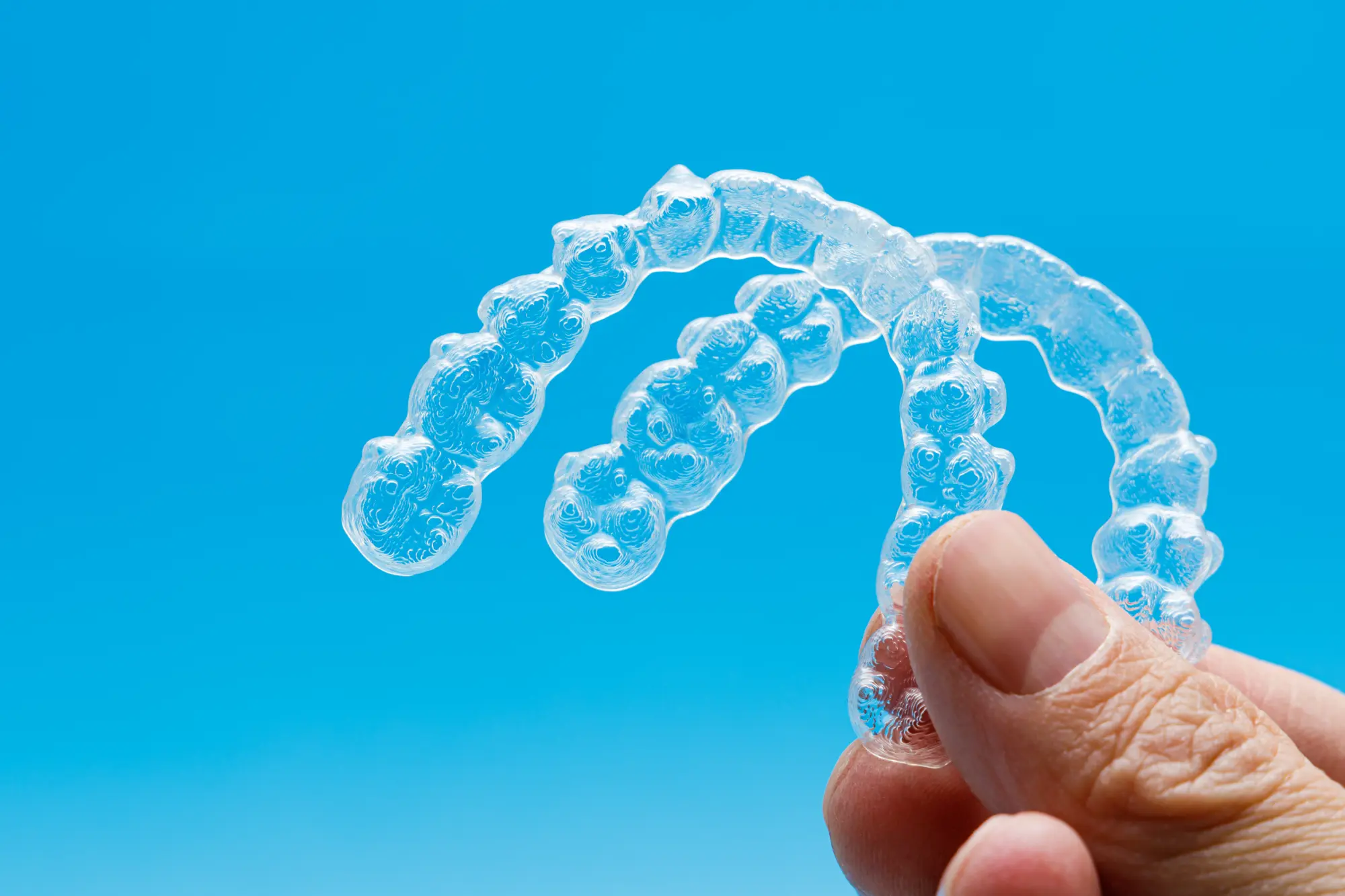
The most obvious benefit of clear aligners is right there in the name. They are clear.
For adults who speak in front of people, teach, appear on camera, meet with clients, or simply do not want brackets and wires showing in photos, that can make orthodontic treatment feel much more approachable.
Clear aligners fit closely over your teeth and are typically difficult for other people to notice. You can continue working, socializing, taking family photos, and going about your normal routine without feeling like your orthodontic treatment has become the first thing everyone sees.
And yes, aesthetics matter.
Patients sometimes tell me, “I’m not vain. I don’t really care what my smile looks like.” Then they complete treatment, start receiving compliments at restaurants, work, the golf course, or their place of worship, and realize how much confidence their smile can give them.
Wanting to feel good about your smile is not vain. It is a valid reason to explore treatment.
2. Removable Clear Aligners Fit More Easily Into Your Routine
Unlike traditional braces, clear aligners can be removed when you eat, brush, floss, give an important presentation, or take a special photo.
That flexibility is a major advantage for many patients. You do not have to navigate food around brackets and wires, and there are fewer dietary restrictions. You can remove the trays, enjoy your meal, clean your teeth, and put them back in.
Of course, removable does not mean optional. Clear aligners generally need to be worn for most of the day to move your teeth according to plan. Your exact instructions will depend on your customized treatment, but consistency is one of the biggest factors in getting a predictable result.
For patients who follow their wear schedule, clear aligners can provide meaningful tooth movement without dramatically changing their daily lives.
3. Straighter Teeth Can Be Easier to Keep Clean
Crowded and overlapping teeth create extra nooks and crannies where food, plaque, and bacteria can hide.
Even when you are brushing and flossing regularly, it can be difficult to reach every surface when teeth are tightly packed together or rotated out of position. You may find yourself fighting with floss, missing certain areas, or repeatedly getting food caught in the same spot.
Clear aligner treatment can move the teeth into positions that make daily oral hygiene more manageable. I sometimes describe this as raising your “dental IQ.” As treatment progresses, patients often become more aware of how their teeth fit together, how clean their mouth feels, and where they need to focus their home care.
Clear aligners do not replace brushing, flossing, and professional dental cleanings. However, creating better alignment can give you fewer difficult areas to manage and make it easier to maintain a healthy smile.
4. Clear Aligners Can Improve Your Bite and Protect Your Teeth
Clear aligners are not just about making the front teeth look straight. How your upper and lower teeth come together matters. When the bite is uneven, certain teeth may absorb more pressure than they were designed to handle. Over time, those excessive forces can contribute to tooth wear, cracks, chips, gum recession, or general discomfort.
When everything is working in harmony, those forces can be distributed more evenly. During a clear aligner consultation, I look beyond the tooth that appears crooked. I evaluate areas of crowding, overbite, open bite, tooth wear, gum recession, and uneven contact between the teeth.
For example, someone in their 20s or 30s may already have significant wear that would normally be expected much later in life. That is not something I want to ignore. If the position of the teeth is contributing to that wear, aligning the bite may help us protect the smile before more extensive restorative treatment becomes necessary.
In some cases, improving the bite can also reduce traumatic pressure around areas of gum recession. Clear aligners are not automatically a treatment for recession, but moving a tooth into a healthier position may help prevent the problem from continuing to worsen.
5. Treatment Is Customized to Your Smile and Health
One of the greatest advantages of professionally supervised clear aligner treatment is that it begins with a comprehensive evaluation.
You are not just a set of teeth. Your gums, bone support, jaw, bite, airway, medical history, and personal goals all matter when we are planning how your teeth should move.
At Northstar Dental, a clear aligner consultation starts with a conversation. I want to understand what you hope to change, what has been bothering you, and what a successful result would look like in your everyday life. We then complete a digital intraoral scan, which means there are no trays filled with messy impression material. The scan gives us a detailed view of your teeth and bite, allowing us to point out crowding, wear, recession, tight spaces, and other concerns together.
Every clear aligner case we treat is also planned in collaboration with a board-certified orthodontist. That gives your treatment another highly trained set of eyes and helps us create a plan that considers both appearance and function.
For particularly complex orthodontic needs, I will be upfront about whether treatment would be better handled by one of the trusted orthodontic specialists we work with. The goal is not to keep every case in our office. The goal is to help every patient receive the right care.
How Do Clear Aligners Move Your Teeth?
Clear aligners work through a sequence of small, controlled changes.
Each tray is slightly different from the one before it. As you move through the series, the aligners apply gentle pressure that gradually guides your teeth toward their planned positions.
Most patients change trays every one to two weeks, although the schedule depends on the individual treatment plan. Periodic check-ins allow us to evaluate your progress and make sure everything is moving safely.
Some patients also need small, tooth-colored attachments placed on certain teeth. These attachments give the aligners additional grip and help us create more precise movements. In other cases, a very small amount of space may need to be created between the teeth so they can move past one another and settle into better alignment. A little pressure or temporary tenderness when starting a new tray is normal. Your teeth are connected to the surrounding bone by small ligaments, and those tissues need time to adjust as the teeth move.
Before treatment begins, however, we evaluate your gums and bone support to make sure your mouth is healthy enough for orthodontic movement.
Why Should You Avoid DIY Clear Aligners?
At-home aligners may sound inexpensive, simple, and convenient. Unfortunately, moving teeth without a complete dental evaluation can create risks that are not always clearly communicated.
There may be existing gum disease, bone loss, recession, cavities, bite problems, or other underlying conditions that need to be addressed before the teeth are moved. When those issues are overlooked, aligner treatment can worsen recession, create an unstable bite, or lead to long-term damage. Sometimes patients end up spending more to correct an unsatisfactory result than they would have spent completing properly supervised treatment from the beginning.
That is why I strongly recommend having a dentist evaluate your teeth, gums, bone, and bite before beginning any aligner program. These are your teeth and your oral health. Taking the time to do your due diligence is worth it.
Do You Need a Retainer After Clear Aligner Treatment?
Yes. Retainers are a crucial part of maintaining your results. Your teeth are exposed to forces every day from chewing, swallowing, speaking, and normal jaw movement. Even small changes can add up over time and cause the teeth to gradually shift.
A retainer acts as a nightly reminder that helps your teeth remain in their new positions while the surrounding bone and tissues continue to stabilize. I understand that wearing a retainer may not be the most exciting part of treatment, but it protects the time, effort, and money you invested in your smile. I know this firsthand. I had braces when I was younger, lost track of my retainer, experienced shifting, and eventually went through clear aligner treatment myself.
So when I stress the importance of retainers, it is not just something I tell patients. I have lived it too.
Are Clear Aligners Right for Adults With Shifting Teeth?
Clear aligners can be an excellent option for adults whose teeth have shifted after previous orthodontic treatment.
Many of my patients are in exactly this position. They wore braces as children or teenagers, stopped wearing their retainers, and gradually developed lower crowding, a rotated front tooth, or tight spaces that are frustrating to clean.
It is not too late to address those changes. Clear aligners may also be appropriate for patients who never received orthodontic treatment but now want to improve crowding, spacing, tooth wear, or the way their bite comes together.
The only way to know what can realistically be achieved is to complete a professional evaluation. I will always be straightforward about what aligners can correct, where their limitations are, and whether another form of orthodontic treatment would give you a better result.
Schedule a Clear Aligner Consultation in Lakewood, CO
Choosing clear aligners is about more than getting straighter teeth. It is an opportunity to improve your confidence, simplify your home care, create a healthier bite, and protect your smile for the future.
At Northstar Dental, we begin by listening to your goals and looking at the full picture of your oral health. From there, we can determine whether clear aligners are the right option and build a treatment plan designed around you. Schedule a clear aligner consultation with me at Northstar Dental in Lakewood, CO, and let’s talk about what you would like to change.
Your confident smile
Is our guide

Hours
Mon: 8am - 5pm
Tue: 7am - 6pm
Wed: 9am - 6pm
Thu: 7am - 4pm
Fri: 7am - 2pm
Sat & Sun: Closed